@heatherspeakandsign
Friday, August 30, 2024
Interactive Calendar in Therapy
I am the SLP at the only state-approved program for Deaf and Hard of Hearing students in New Hampshire that utilizes both American Sign Language and Spoken English. We are housed in the Nashua Public Schools, servicing preschool to high school. I have been specializing in speech, language, and auditory skill development therapy for children with cochlear implants, hearing aids, and BAHAs for the past 25 years. While this is my passion, I also service general and intensive needs students with a variety of speech and language challenges.
Wednesday, August 28, 2024
Life Unlabeled
Ok, some people may disagree with me on this one, but it's something I feel strongly about. Working in a school, I am often asked to support and incorporate curriculum-based vocabulary in my speech/language therapy. And that's fine, for my students with a reasonably established language foundation. When an EL (English Learner) student comes to school, they typically have a language foundation in their native language. They have something to map English onto. But many of my students with hearing loss don't have that foundation. When I ask them what they had for breakfast, they have no word or sign to tell me. When I ask about their favorite movie or what they did yesterday...no words or signs. I show them a picture of a basic household item (ex. microwave, rake, sink) and they say, "I have that," but don't know what it's called. They are living life unlabeled. Children with hearing loss don't typically have the same opportunities of incidental learning that children with typical hearing have. And frankly, most children with hearing loss are not born into families that are fluent signers.
So, yes, I do try to teach the vocabulary of everyday life. We're going to learn the names of furniture, appliances, and other household items. We're going to label foods and basic everyday actions. We're going to learn family relations (aunt, cousin, grandson). Vocabulary requires direct, explicit instruction with repeated exposures and contexts. While schools are shying away from acknowledging holidays, I am in my room playing games that incorporate Halloween vocabulary. If the student celebrates Christmas, then I'm going to do lessons and activities using that vocabulary. Curriculum is important too, but, in my opinion, being able to actively participate in conversation, express your wants and needs, and share your life experiences is more important.
You tell me...which is more important? Donut or rhombus?
I am the SLP at the only state-approved program for Deaf and Hard of Hearing students in New Hampshire that utilizes both American Sign Language and Spoken English. We are housed in the Nashua Public Schools, servicing preschool to high school. I have been specializing in speech, language, and auditory skill development therapy for children with cochlear implants, hearing aids, and BAHAs for the past 25 years. While this is my passion, I also service general and intensive needs students with a variety of speech and language challenges.
Monday, August 26, 2024
Mailbox - Speech, Language, and Listening
I am the SLP at the only state-approved program for Deaf and Hard of Hearing students in New Hampshire that utilizes both American Sign Language and Spoken English. We are housed in the Nashua Public Schools, servicing preschool to high school. I have been specializing in speech, language, and auditory skill development therapy for children with cochlear implants, hearing aids, and BAHAs for the past 25 years. While this is my passion, I also service general and intensive needs students with a variety of speech and language challenges.
Thursday, August 22, 2024
1, 2, 3...STOP!!!
I am the SLP at the only state-approved program for Deaf and Hard of Hearing students in New Hampshire that utilizes both American Sign Language and Spoken English. We are housed in the Nashua Public Schools, servicing preschool to high school. I have been specializing in speech, language, and auditory skill development therapy for children with cochlear implants, hearing aids, and BAHAs for the past 25 years. While this is my passion, I also service general and intensive needs students with a variety of speech and language challenges.
Wednesday, August 21, 2024
Animal Sounds vs Names Sign Language
I am the SLP at the only state-approved program for Deaf and Hard of Hearing students in New Hampshire that utilizes both American Sign Language and Spoken English. We are housed in the Nashua Public Schools, servicing preschool to high school. I have been specializing in speech, language, and auditory skill development therapy for children with cochlear implants, hearing aids, and BAHAs for the past 25 years. While this is my passion, I also service general and intensive needs students with a variety of speech and language challenges.
Tuesday, August 20, 2024
Three Bear Puzzle
This puzzle is so many things wrapped into one little package! Clothing vocabulary, body parts, colors, emotions, pronouns, possessive -s, eliciting core language to request, and expanding utterances. It can be an activity all by itself, or you can use it as a motivator to practice other target skills.
As a stand-alone activity, I typically tie it in with seasons/weather or fairy tales. We dress the bears appropriately for the season or refer to them as "Mama Bear, Papa Bear, and Baby Bear" (*great for reduplicated syllables and bilabials).
Core language targets include your turn/my turn, want, more, on/off, and yes/no. For students at the one-word/sign utterance level, it's great for building longer utterances. For example, when the child says/signs, "shoes," you can elicit whose shoes. Once the child has indicated which bear, then you can lay out the six options and ask what color shoes. After the child selects a color, you can model and hopefully prompt a 3-word/sign utterance ("Baby's red shoes."). Once the child has mastered the basics (shoes, shirt, pants), you can start demonstrating more specific and varied vocabulary (sandals/slippers/boots, pajamas, suit, pant vs. shorts, apron, sweater, etc.).
The "Baby's red shoes" highlights that this activity has both possessive -s and plural -s embedded. These are typically challenging for students with hearing loss. They are difficult to perceive acoustically, particularly when embedded in running speech. They are also not marked in ASL the same way we mark it in spoken English. This activity is a great way to highlight and practice these morphological markers.
Of course, my favorite part is the emotions. I label them in speech and sign, make the corresponding facial expression, and, equally important, model the intonation. This is another important part of auditory skill development for a student with hearing loss.
As a motivator, I typically have the child practice their target skill (ex. word final /k/, present progressive -ing) and then they earn a piece of the puzzle. It's just a great way to make drill-based activities more inviting and engaging.
I am the SLP at the only state-approved program for Deaf and Hard of Hearing students in New Hampshire that utilizes both American Sign Language and Spoken English. We are housed in the Nashua Public Schools, servicing preschool to high school. I have been specializing in speech, language, and auditory skill development therapy for children with cochlear implants, hearing aids, and BAHAs for the past 25 years. While this is my passion, I also service general and intensive needs students with a variety of speech and language challenges.
Thursday, August 15, 2024
Auditory Skill Hierarchy - Explained
If you have a student with hearing aids or cochlear implants then you can and should be writing IEP goals/objectives and incorporating listening-based activities into your therapy sessions that target auditory skill development. These should be based off of the principals underlying and the skills included in the auditory skill hierarchy. But what's that?
First is detection. Just as the name implies, it simply means there was a sound and the listener heard it. They may not know what it was or where it came from, but they heard a sound. This happens in my therapy room when my phone dings because I got a text and forgot to silence it or the principal makes an announcement. My students looks around for the sound because they heard something, but they don't know what.
Next is discrimination. This is when the listener is able to tell if two sounds are the same or if they are different. Was one sound longer or shorter? Was one sound louder or quieter? Was one sound higher or lower? There is not yet meaning assigned to these sounds. This is how I feel in noisy environments like restaurants or concerts. I heard you, I know you said something to me, but I have no idea what you said.
Then comes identification. This is when it gets fun and more challenging. Now meaning gets assigned to sound. My student hears the text alert and knows it was my phone, but also hears the principal making an announcement and points to the speaker and says or signs "talk". However, to move through this level of auditory skill development you must have LANGUAGE!!! The student can't identify that you said "hot dog" if they don't know what a hot dog is. And if they don't have spoken language or sign language, their only response option is to point to objects and pictures. Imagine trying to have a child discriminate between CV (consonant-vowel) words differing by both consonant and vowel. How can they do that if they don't have the language to at least understand "bee" vs. "pie"? I love this level of the hierarchy because there are so many fun activities, but language therapy must be a critical part of your approach. Students must have a large enough receptive vocabulary to draw upon. I often start with photos of the student and their classmates/teachers or even their family members. There is so much value in the student identifying these people, especially their own name. You can make maximal contrasts in one-syllable vs. three-syllable names (ex. Liv vs. Anthony), or minimal contrasts with names with similar sounds (ex. Hannah, Anna, Abby).
Last comes comprehension. To be clear, you don't wait until after mastery of all other levels to target comprehension. It is really always the underlying goal and should develop alongside the other levels of the hierarchy. This level is about truly understanding spoken language through hearing. It targets answering questions, following directions, and understanding stories. So really, this level is very similar to what you may be targeting with many other students on your school-based caseload, simply with a focus on using the auditory channel. In order to be a successful student in a classroom environment, following instructions and participating appropriately, you need to comprehend language. One of my favorite components of this level is auditory memory. I target this frequently using theme-based vocabulary and barrier-type activities. I will definitely do a post on that and remind me if I forget!
Personal sidenote...these are a hierarchy of skills that we target to develop listening. That said, I see great benefit to using sign language all along the way. Not only does it provide a much needed foundation, it supports true comprehension. In my Daily Sound Check post I talked about the auditory-visual-auditory sandwich. Well, my sandwich has another layer...sign! If I have presented my target word(s) three times and the student still hasn't correctly identified it, I'm going to sign it. Even if they have correctly identified my target, I'm going to show them the sign so it's in their vocabulary. Many of my students have speech articulation challenges that can make them hard to understand. Why not provide sign language so that they can successfully communicate while they're still developing their other skills? I love when I present a word/phrase and my student signs back what they think I said. It gives me so much information about what they are and are not hearing, and the types of errors they're making drive my therapy.
I am the SLP at the only state-approved program for Deaf and Hard of Hearing students in New Hampshire that utilizes both American Sign Language and Spoken English. We are housed in the Nashua Public Schools, servicing preschool to high school. I have been specializing in speech, language, and auditory skill development therapy for children with cochlear implants, hearing aids, and BAHAs for the past 25 years. While this is my passion, I also service general and intensive needs students with a variety of speech and language challenges.
Wednesday, August 14, 2024
Daily Sound Check (with Sign Language)...How?
I am the SLP at the only state-approved program for Deaf and Hard of Hearing students in New Hampshire that utilizes both American Sign Language and Spoken English. We are housed in the Nashua Public Schools, servicing preschool to high school. I have been specializing in speech, language, and auditory skill development therapy for children with cochlear implants, hearing aids, and BAHAs for the past 25 years. While this is my passion, I also service general and intensive needs students with a variety of speech and language challenges.
Tuesday, August 13, 2024
Baby Loves Summer!
I am the SLP at the only state-approved program for Deaf and Hard of Hearing students in New Hampshire that utilizes both American Sign Language and Spoken English. We are housed in the Nashua Public Schools, servicing preschool to high school. I have been specializing in speech, language, and auditory skill development therapy for children with cochlear implants, hearing aids, and BAHAs for the past 25 years. While this is my passion, I also service general and intensive needs students with a variety of speech and language challenges.
Monday, August 12, 2024
Critter Clinic toy
I am the SLP at the only state-approved program for Deaf and Hard of Hearing students in New Hampshire that utilizes both American Sign Language and Spoken English. We are housed in the Nashua Public Schools, servicing preschool to high school. I have been specializing in speech, language, and auditory skill development therapy for children with cochlear implants, hearing aids, and BAHAs for the past 25 years. While this is my passion, I also service general and intensive needs students with a variety of speech and language challenges.
Friday, August 9, 2024
Daily Sound Check...Why?
I am the SLP at the only state-approved program for Deaf and Hard of Hearing students in New Hampshire that utilizes both American Sign Language and Spoken English. We are housed in the Nashua Public Schools, servicing preschool to high school. I have been specializing in speech, language, and auditory skill development therapy for children with cochlear implants, hearing aids, and BAHAs for the past 25 years. While this is my passion, I also service general and intensive needs students with a variety of speech and language challenges.
Thursday, August 8, 2024
1, 2, 3....GO!!!
I am the SLP at the only state-approved program for Deaf and Hard of Hearing students in New Hampshire that utilizes both American Sign Language and Spoken English. We are housed in the Nashua Public Schools, servicing preschool to high school. I have been specializing in speech, language, and auditory skill development therapy for children with cochlear implants, hearing aids, and BAHAs for the past 25 years. While this is my passion, I also service general and intensive needs students with a variety of speech and language challenges.
Wednesday, August 7, 2024
My first selfie video! Introducing myself 🤣
I am the SLP at the only state-approved program for Deaf and Hard of Hearing students in New Hampshire that utilizes both American Sign Language and Spoken English. We are housed in the Nashua Public Schools, servicing preschool to high school. I have been specializing in speech, language, and auditory skill development therapy for children with cochlear implants, hearing aids, and BAHAs for the past 25 years. While this is my passion, I also service general and intensive needs students with a variety of speech and language challenges.
Tuesday, August 6, 2024
Favorite Things
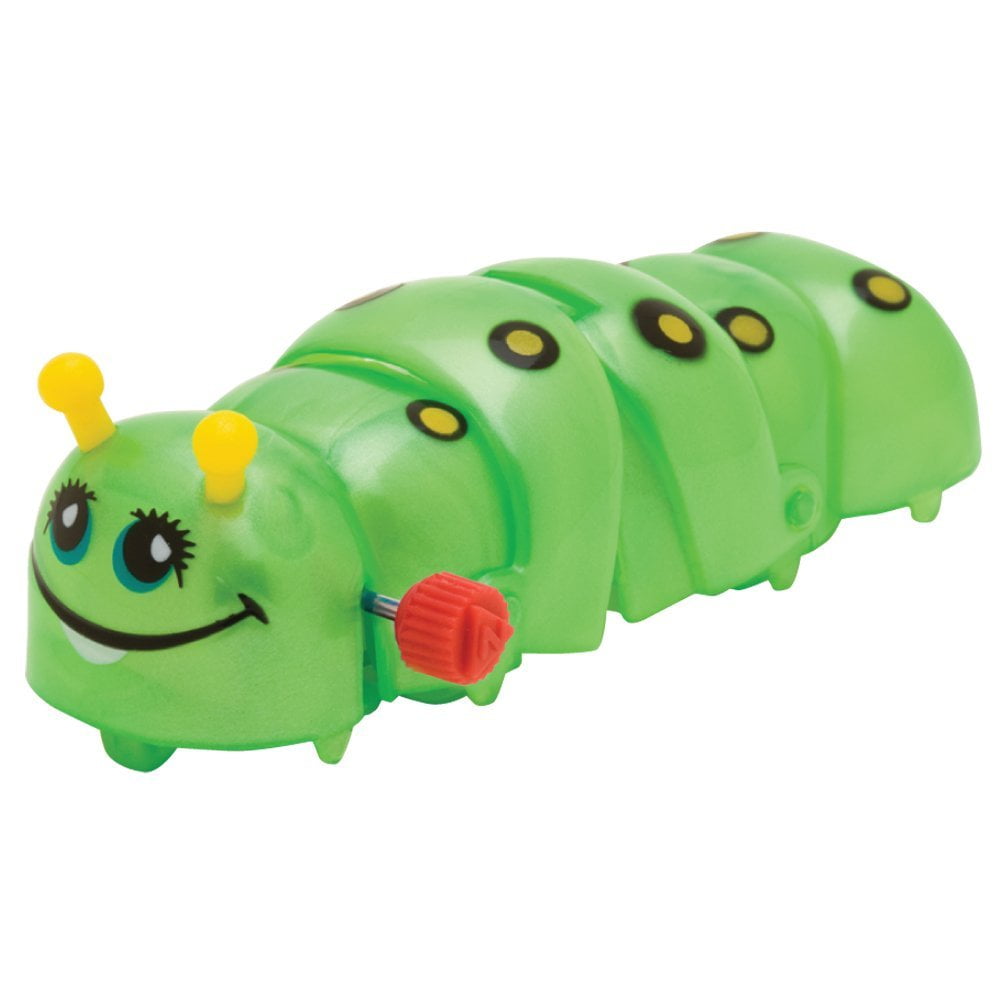
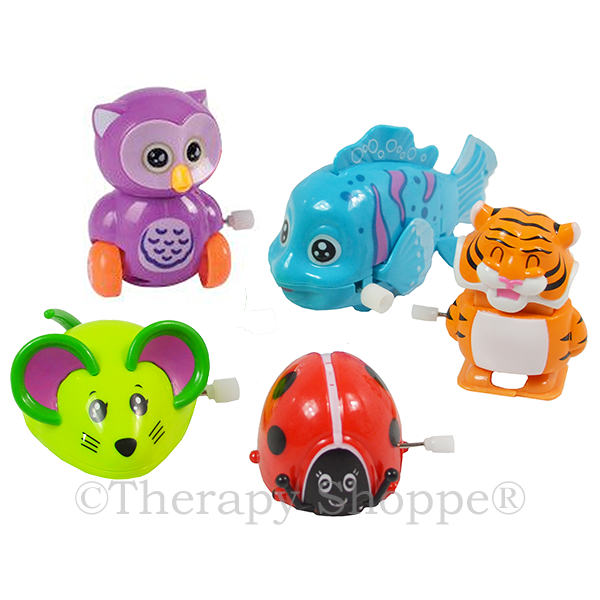
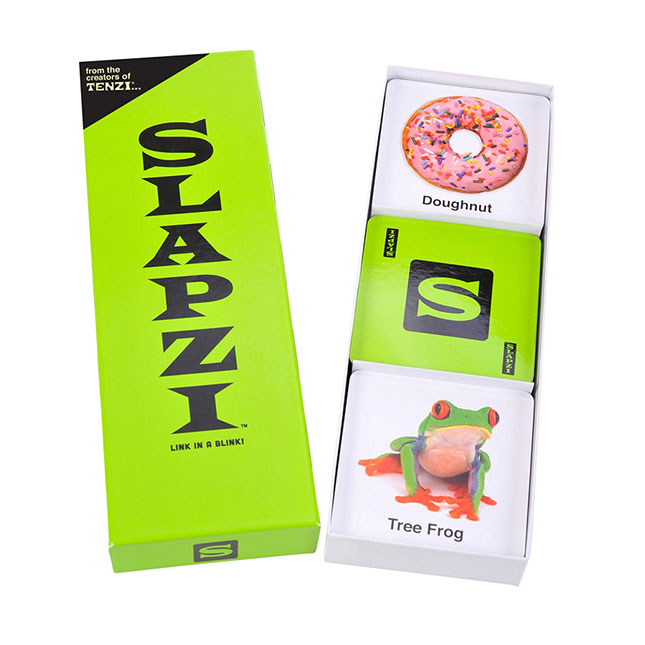
These are a few of my favorite things (and the kids love them too)...Looking forward to creating content to explain how I use them!!!
Baby Loves Winter
Where is Baby's Turkey?
Baby Loves Spring
I am the SLP at the only state-approved program for Deaf and Hard of Hearing students in New Hampshire that utilizes both American Sign Language and Spoken English. We are housed in the Nashua Public Schools, servicing preschool to high school. I have been specializing in speech, language, and auditory skill development therapy for children with cochlear implants, hearing aids, and BAHAs for the past 25 years. While this is my passion, I also service general and intensive needs students with a variety of speech and language challenges.
Daily Sound Check - The How and Why
I have the pleasure of almost my entire caseload being students with some degree of hearing loss. However, most school-based SLPs will have only a few or perhaps none at all. With the advances in early detection and identification, hearing assistive technologies, and the increased likelihood of cochlear implantation at an early age, the probability that school-based SLPs will have a student on their caseload at some point is pretty high.
So, what is a daily sound check? In order to ensure a student with hearing loss is getting the best access possible, you need to make sure they can detect and discriminate at least the six Ling sounds (oo, ah, ee, mm, sh, ss), and if possible the additional Estabrook sounds (f, h, t, p, th, and nothing/absence of sound). These sounds cover the typical frequencies we need to hear to access spoken language. Some children, even with their hearing aids may not have access to all of these sounds and that's ok. You just need to have a baseline of what the student can typically access. Doing a daily sound check at the beginning of the school day is the best way to catch malfunctioning equipment, dead batteries, or even identify a bad hearing day due to a cold or allergies.
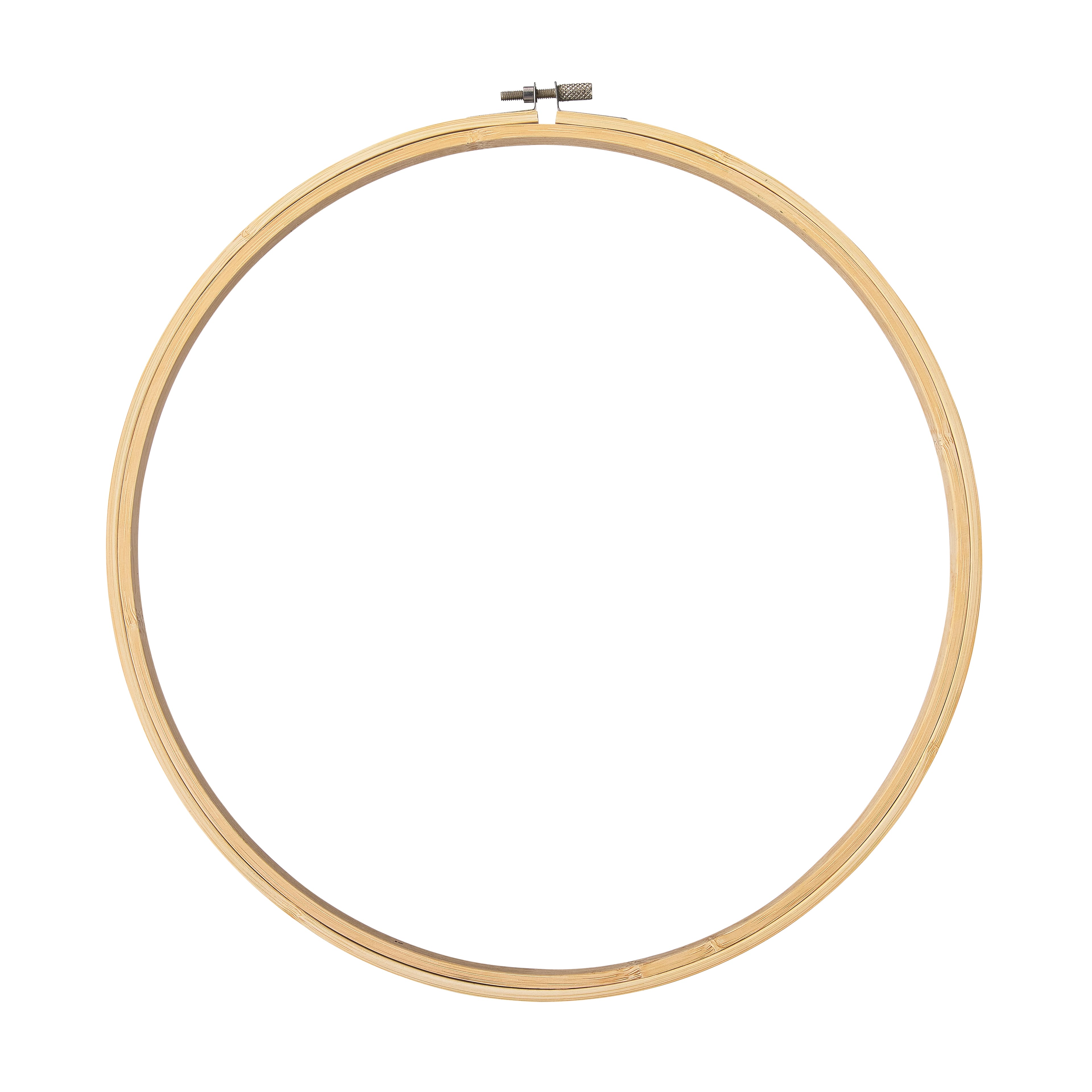
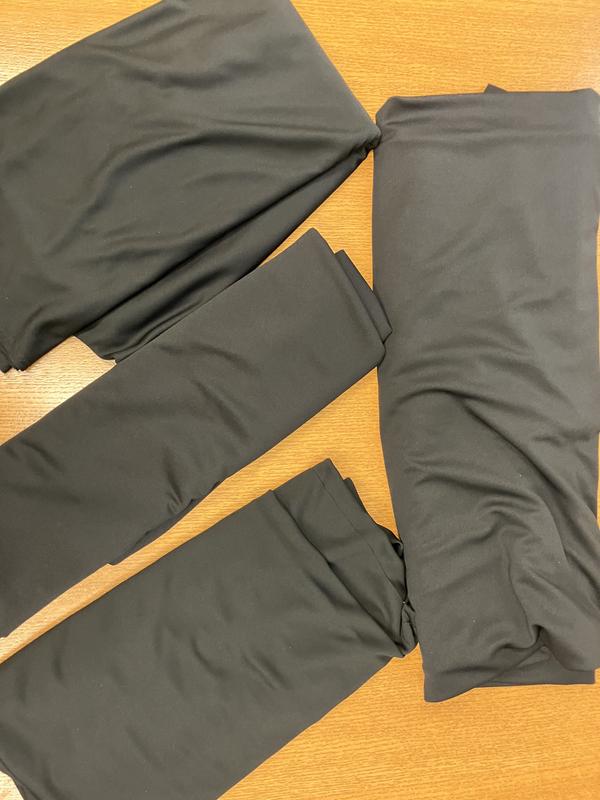
What do you need to do a sound check? You need an acoustic hoop. You can buy one online for $35, however I made mine for way less!!! All you need is an embroidery hoop and some speaker fabric (just enough to cover the hoop with two layers). Speaker fabric allows sound to pass through but blocks visual access to the lips/mouth while speaking. These are typically readily available at your local fabric store. Copy/paste the link below for a quick tutorial video.
https://youtu.be/y0UmtcKHAZA?si=pSqC33wiu4FjFsdt
I am the SLP at the only state-approved program for Deaf and Hard of Hearing students in New Hampshire that utilizes both American Sign Language and Spoken English. We are housed in the Nashua Public Schools, servicing preschool to high school. I have been specializing in speech, language, and auditory skill development therapy for children with cochlear implants, hearing aids, and BAHAs for the past 25 years. While this is my passion, I also service general and intensive needs students with a variety of speech and language challenges.
Valentine’s Barrier Activity
This is a great and challenging activity for upper elementary students and even middle school students as well. I give each student a bla...
-
Check out this video demo... Amazon link to purchase This toy is another one of my absolute favorites. It's available on Target.com a...
-
https://amzn.to/4h3VsnD This game is a great way to work on practicing speech and language skills. It is highly motivating and fun for ...
-
ebay mailbox link I have repurposed this mailbox coin bank and used it in my therapy sessions for the past 20+ years. It is a HUGE hit ...