I have the pleasure of almost my entire caseload being students with some degree of hearing loss. However, most school-based SLPs will have only a few or perhaps none at all. With the advances in early detection and identification, hearing assistive technologies, and the increased likelihood of cochlear implantation at an early age, the probability that school-based SLPs will have a student on their caseload at some point is pretty high.
So, what is a daily sound check? In order to ensure a student with hearing loss is getting the best access possible, you need to make sure they can detect and discriminate at least the six Ling sounds (oo, ah, ee, mm, sh, ss), and if possible the additional Estabrook sounds (f, h, t, p, th, and nothing/absence of sound). These sounds cover the typical frequencies we need to hear to access spoken language. Some children, even with their hearing aids may not have access to all of these sounds and that's ok. You just need to have a baseline of what the student can typically access. Doing a daily sound check at the beginning of the school day is the best way to catch malfunctioning equipment, dead batteries, or even identify a bad hearing day due to a cold or allergies.
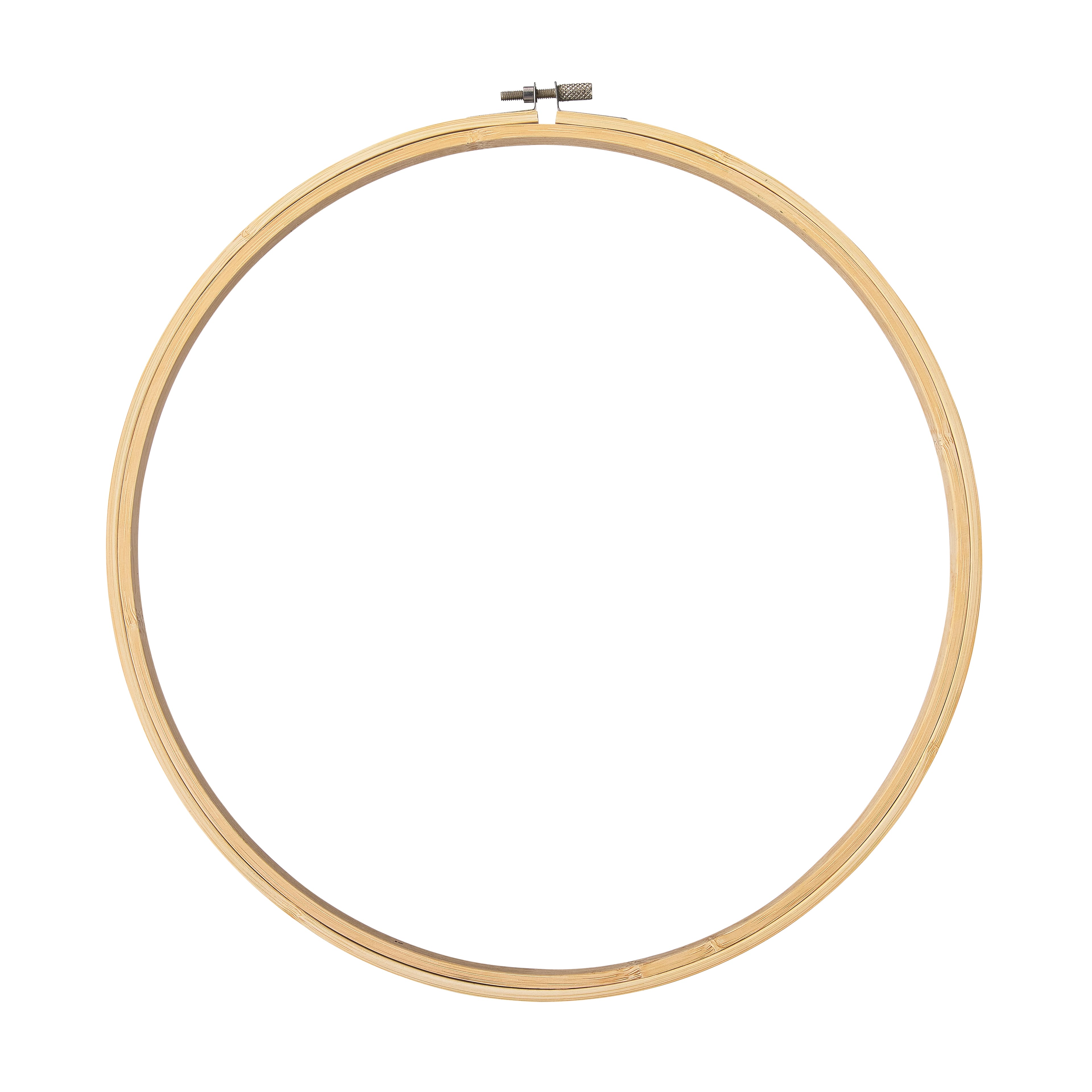
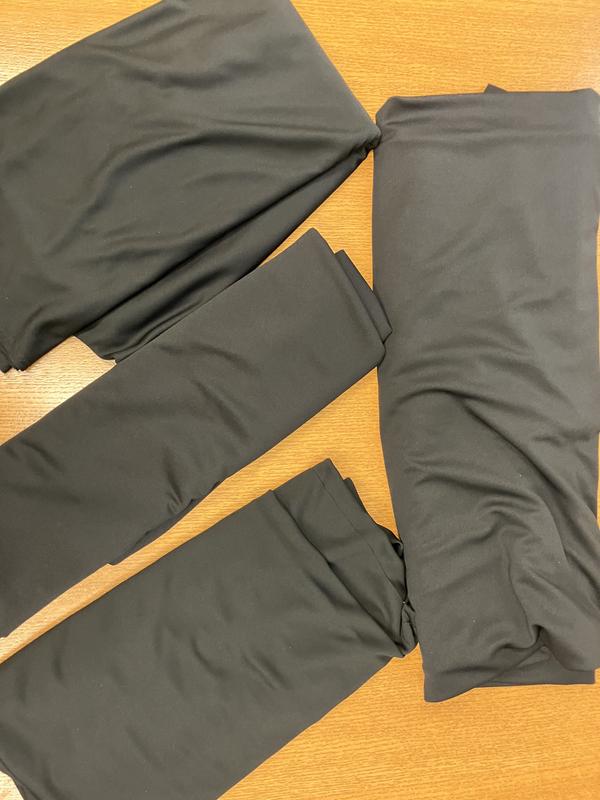
What do you need to do a sound check? You need an acoustic hoop. You can buy one online for $35, however I made mine for way less!!! All you need is an embroidery hoop and some speaker fabric (just enough to cover the hoop with two layers). Speaker fabric allows sound to pass through but blocks visual access to the lips/mouth while speaking. These are typically readily available at your local fabric store. Copy/paste the link below for a quick tutorial video.
https://youtu.be/y0UmtcKHAZA?si=pSqC33wiu4FjFsdt
You also need a relatively quiet space. Hearing in background noise is an added challenge I'll post about separately. For younger children, children unable to accurately produce these sounds themselves, or children who have only recently gained access to sound (ex. newly implanted), you may also need visual supports such as objects or pictures to represent each sound. For example, you can use a picture of a baby sleeping for "sh" or a snake for "ss" or a small toy babydoll and a plastic snake. There are many premade, printable sound visuals available online. Just be consistent with whatever you choose to represent each target sound. Your goal should be to work toward no visuals, so that you can do this quickly and efficiently.
How do you do a sound check? At its simplest, you say each sound from behind the acoustic hoop at a comfortable listening distance (3-6 ft.), in random/varied order, and ask the child to repeat back what they heard or point to the appropriate picture/item that is on the table in front of them. It's important to remember that this is a listening task, not speech. So, if you present "sh" and the child just makes a blowing sound that's ok. They detected and discriminated that sound. If a child mishears, for example says "oo" when you presented "mm", I use an auditory-visual-auditory sandwich. Present the sound behind the hoop, present the sound again with your mouth visible, then present the sound one more time behind the hoop. Depending on the child's age and level of language and cognition, you may need to spend some time teaching them the task. Children won't inherently know that "mm" goes with the ice cream or that "ah" goes with the airplane until you teach them. Don't forget to pretend to say something to see if the child can identify silence. My students all respond by saying "Nothing!". If a child is bilaterally aided or has two cochlear implants, you should test each side by removing the other or turning it off. My students that have CIs typically just remove the magnet long enough to complete the task. In addition to the basic sounds, I often say familiar names or colors to my younger students and ask basic questions to my older students (ex. What is the weather today?). This goes beyond the basic sound check and looks at sound and language comprehension, but I like to throw it in there!


 Auditory-Visual-Auditory Sandwich
Keep data!!! If a student typically detects and discriminates "ss" and all of sudden can't, they might need their hearing aids adjusted or cleaned or their cochlears mapped. If the left hearing aid/cochlear is giving the child full access and the right isn't, note it. What sounds are they missing consistently? Are there two sounds the child is struggling to discriminate between? If the child can only get full access when wearing both together, note it. Any information you gather about errors or patterns is valuable to the student's audiologist, whether you provide it directly or you share it with the family. Again, there are numerous premade, printable data collection materials available online.
Who should do the sound check? Unless there is a Teacher of the Deaf in your building, you as the SLP will most likely be the expert. But that doesn't mean you have to be the only one to do the daily sound check. You can easily train other staff, including the classroom teacher and paraprofessionals, to make this part of their morning routine. I always start my therapy sessions with a sound check, regardless of whether someone else has done one that day. You'd be surprised how much can change during a school day!!! Family members can also be trained and encouraged to do sound checks at home. You'd again be surprised by how many times malfunctioning equipment and dead batteries get missed in the rush of getting ready and off to school.




No comments:
Post a Comment